How to Winterize Your HVAC System in Miami
Published: 2026-06-20 · By ProGroup Air Conditioning Repair Service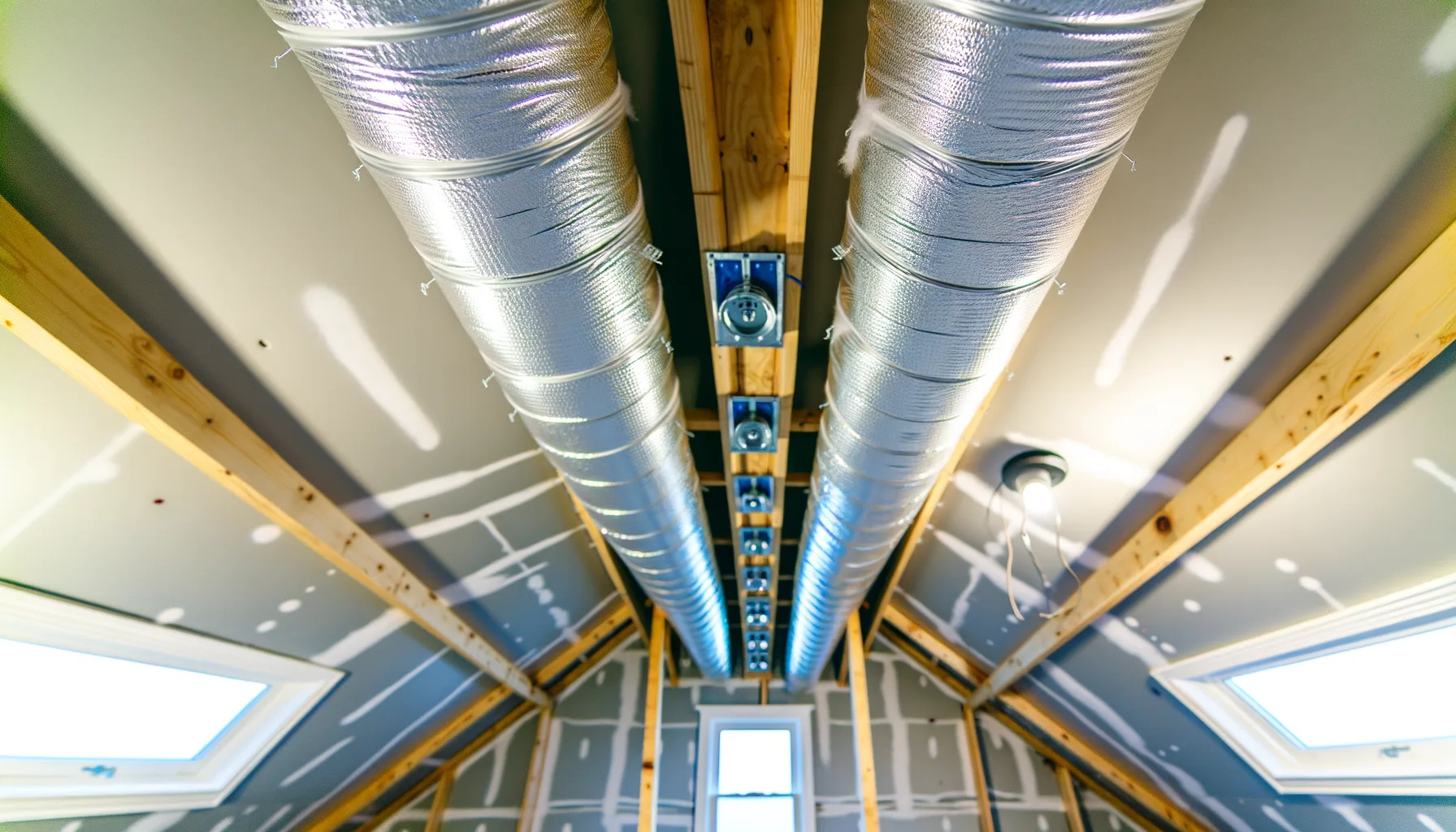
As temperatures cool down and the rainy season approaches in Miami, many homeowners overlook the importance of preparing their HVAC systems for winter. It’s not just about the heat; even in the subtropical climate of South Florida, winter weather can challenge your home’s heating and cooling operations. Failing to winterize your HVAC system can lead to costly repairs and reduced efficiency when the heat returns. Understanding the implications of Miami's unique weather conditions is vital for maintaining a comfortable and safe home.
Why This Matters for Miami Homeowners
The combination of high humidity, salt air, and the threat of tropical storms presents unique challenges to HVAC systems in Miami. Inadequate preparation can result in premature corrosion, decreased energy efficiency, and even system failures during unexpected cold snaps. Properties elevated to combat moisture issues need to ensure their HVAC units are secure and protected. Regular maintenance is essential for preventing larger issues down the line, especially in a climate where mildew can thrive and metal is at constant risk of erosion from salt.
It's important to be proactive about your HVAC system, as failure to winterize properly may lead to an uncomfortable home environment at a time when comfort is vital. The costs of repairs can skyrocket if there are significant breakdowns, particularly when you need a functional heater during chilly nights. Prioritizing HVAC winterization helps to mitigate these risks and ensure longevity for your equipment.
Expert Solutions & Actionable Tips
1. Inspect and Clean the Outdoor Unit
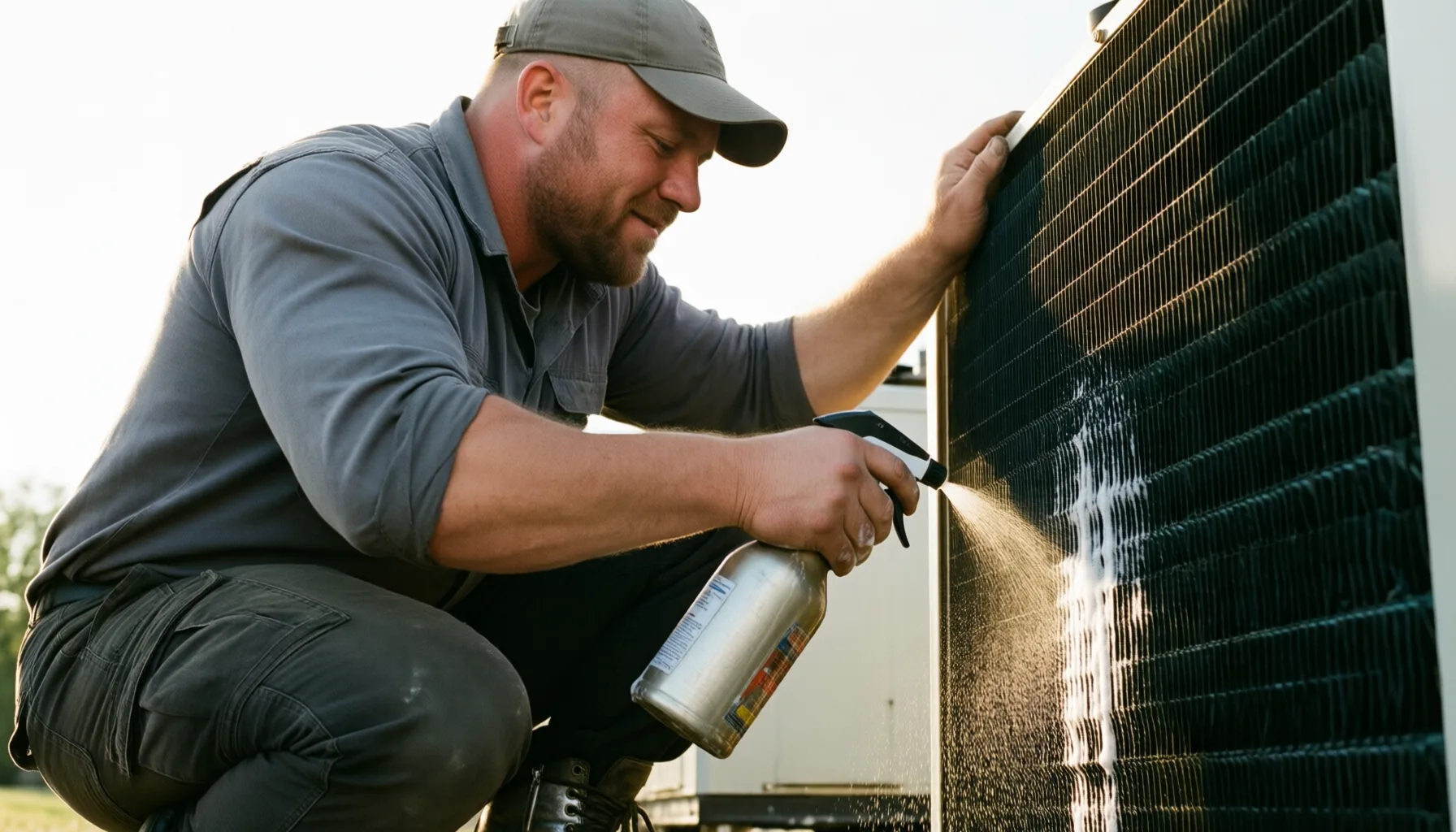
In a coastal city, salt and debris can accumulate on the outdoor unit, hindering efficiency. A thorough cleaning involves removing any debris and rinsing off salt deposits. Hiring a pro for a seasonal cleaning can cost between $75 to $150. However, regular maintenance can extend the life of your unit significantly.
Before winter hits, inspect the outdoor unit for any signs of damage, such as rust or cracks in the casing. Noticing these issues early can save you money on larger repairs later.
2. Upgrade Your Filters
Miami's high humidity can lead to increased dust and mold growth, making filter upgrades essential. High-efficiency particulate air (HEPA) filters can be an excellent investment, priced from $30 to $100, depending on size. These filters capture more allergens and protect your system, ensuring better air quality and efficiency during the cooling season.
It’s crucial to change these filters every 1-3 months. Tailoring the replacement schedule to the dust levels in your home keeps your HVAC functioning optimally.
3. Seal Ducts and Insulate
Leaky ducts can account for significant energy loss. Using mastic sealant to close gaps and insulated ducting prevents warm air from escaping. This process can cost around $300 to $500, but it’s crucial in a climate like Miami’s where maintaining indoor temperatures is a priority.
Insulating your home properly prevents condensation during the winter, protecting your HVAC investments while enhancing comfort. Check for air leaks around doors and windows as well.
4. Check the Thermostat
Ensure your thermostat is functioning correctly before the winter season kicks in. A faulty thermostat can lead to unnecessary energy consumption, inflating your electric bill. Testing it can be done yourself, or if adjustments are needed, professional services range between $75 and $200.
Upgrading to a smart thermostat could add convenience and savings in energy usage, reducing costs long-term while ensuring comfortable indoor temperatures.
5. Look for Moisture Accumulation
With Miami’s humidity, moisture issues can lead to mold growth and impact HVAC efficiency. Inspect areas near vents and the indoor unit for signs of dampness. If detected, addressing it promptly will help prevent costly repairs from water damage.
Consider using dehumidifiers during peak humidity, which can average about $50 to $400, depending on the size and capacity required for your space, keeping your indoor environment safe.
6. Schedule a Professional Tune-Up
Getting a professional HVAC tune-up before winter can save you from emergency repairs later. Generally, these services range from $100 to $200, depending on the complexity of your system.
A thorough inspection can identify potential issues such as worn-out components or refrigerant leaks, ensuring you have peace of mind as temperatures drop.
Miami Climate & Local Context
Miami's distinctive climate is a true melting pot, featuring high humidity levels, tropical storms, and corrosive salt air, all of which impact local HVAC systems. Elevated homes often have HVAC units positioned on stilts or elevated platforms to mitigate moisture issues. Proper installation and maintenance are critical per local building codes that aim to reduce damage from salt and humidity.
Furthermore, homeowners should remain aware of Florida's regulations regarding HVAC systems. Local permits may be required for significant changes or installations. Staying compliant not only protects your home but also enhances your property’s value and sustainability.
When to Call a Professional
While many HVAC winterization tasks can be tackled by homeowners, there are situations where calling a professional is advisable. DIY projects can save money; however, certain red flags indicate that it's time to reach out for expert assistance.
- Strange noises or vibrations from the HVAC system.
- Foul odors emanating from the unit.
- Imbalanced air distribution or inconsistent temperatures.
- Excessive humidity inside the home.
- Frequent short cycling of the system.
- Visible wear or damage on the outdoor unit.
- Age of the system exceeding ten years.
Frequently Asked Questions
What specific HVAC winter preparation should Miami homeowners consider?
Miami homeowners should prioritize cleaning their outdoor units, upgrading filters, and preparing for humidity-related issues, such as moisture accumulation and duct sealing.
How often should I clean my HVAC filters in Miami?
Given Miami's humidity, filters should ideally be replaced every 1 to 3 months to ensure optimal air quality and system performance.
When should I call ProGroup Air Conditioning Repair Service?
If you're experiencing performance issues, strange noises, or an increase in energy bills, it's time to reach out to ProGroup Air Conditioning Repair Service for a professional assessment.
Are there preventive maintenance services offered?
Yes, ProGroup Air Conditioning Repair Service offers comprehensive maintenance checkups to prepare your HVAC system for seasonal changes, particularly important in Miami's unique climate.
What costs can I expect for HVAC maintenance in Miami?
Typical costs for HVAC inspections and maintenance in Miami range from $100 to $200, which can save you from more costly repairs later.
Get Expert HVAC Service in Miami
Taking proactive steps to winterize your HVAC system is vital for optimal performance and longevity. If you're unsure where to start, reach out to ProGroup Air Conditioning Repair Service. Our experts are ready to ensure your comfort through every season in Miami. Don’t hesitate to call us at (786) 869-4569 today!
Maintain your home’s HVAC system and keep it running efficiently with professional guidance tailored to Miami’s unique demands. We’re here to help you every step of the way.