What to Do When Your HVAC System Breaks During a Miami Fall Storm
Published: 2026-06-20 · By ProGroup Air Conditioning Repair Service
Imagine it’s a stormy afternoon in Miami, the skies are grey, and you’re feeling the humidity in the air when suddenly, your HVAC system grinds to a halt. In a city where the summer heat and tropical tempests can feel relentless, the last thing you need is a malfunctioning air conditioning unit. With the unique environmental challenges faced in Miami, including high humidity and salt air that can corrode systems rapidly, it’s crucial to know how to act quickly when your HVAC fails during a fall storm.
Why This Matters for Miami Homeowners
For homeowners in Miami, the combination of high humidity and salt air means that HVAC systems work harder than in most other places. This elevated wear and tear can lead to unexpected breakdowns, particularly during stormy seasons. When the weather takes a turn, a malfunctioning HVAC system can lead to discomfort, mold growth, and potential property damage. Keeping your home cool and dry is essential, especially with the possibility of intense tropical storms that can create both flooding and indoor humidity issues.
Moisture barriers are often not enough to combat the issues that arise during heavy rains, which can further contribute to HVAC stress. When a storm hits, the situation becomes even more urgent for homeowners who rely on their cooling systems to maintain a comfortable living environment. A quick response can prevent issues from escalating and ensure the safety and well-being of your family.
If your HVAC unit struggles during a storm, look for simple signs such as strange noises or fluctuating temperatures. Ignoring these issues could lead to costly repairs or replacements.
Moreover, the risk of additional problems like flooding can damage not only your HVAC system but also your property’s structure. Knowing how to respond in these situations could save you time, money, and hassle in the long run.
Expert Solutions & Actionable Tips
1. Check Your Thermostat Settings
Start by ensuring that your thermostat settings are correct. Sometimes, storms can trigger fluctuations that may reset your unit. A simple adjustment can restore your system's operation without further complications.
If the thermostat is functioning but the unit isn't cooling, reset the circuit breaker for the AC to see if this resolves the issue. This is often a straightforward fix that can be managed without professional help.
2. Inspect the Outdoor Unit for Debris
After a storm passes, inspect your outdoor HVAC unit for branches, leaves, or other debris that may obstruct airflow. Clearing this debris is essential for maintaining efficiency and preventing further damage. Regularly cleaning your unit can help extend its lifespan, especially in an area prone to heavy winds and tropical storms.
Costs for a professional debris removal can range from $50 to $150. Taking the time to do this yourself can save you money and keep your system running smoothly.
3. Monitor Indoor Humidity Levels
Keep an eye on your indoor humidity levels, as high moisture can lead to more significant HVAC stress. If you notice excessive humidity, consider using a dehumidifier to alleviate the burden on your air conditioning unit. This is especially critical during the fall when humidity can linger.
Investing in a good dehumidifier can range from $150 to $400, a small price to pay for the preservation of your HVAC system and comfort at home.
4. Prepare for a Call to a Professional
Have the contact information for a reliable HVAC technician readily available. When a storm hits, professional services may be inundated with requests. By having a trusted company like ProGroup Air Conditioning Repair Service in mind, you can ensure fast action when needed.
Emergency HVAC repairs typically come up to $200 to $600, depending on the issue. Being prepared can help you get prompt service without the stress of searching in a rush.
5. Learn Basic HVAC Troubleshooting
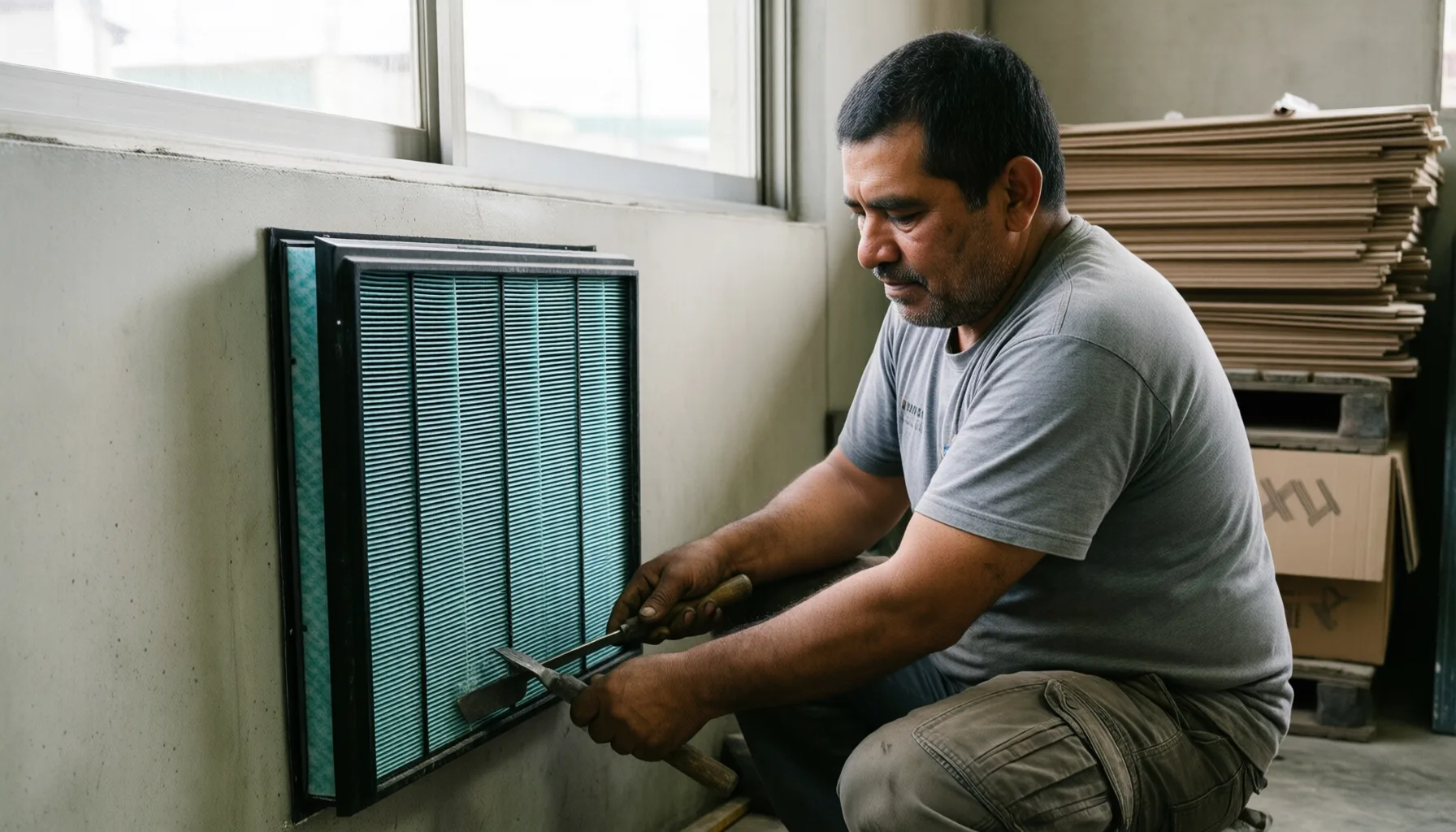
Familiarize yourself with some basic HVAC troubleshooting techniques. For instance, if your system isn’t cooling effectively, check the air filter. A dirty filter can impact efficiency and lead to breakdowns.
Replacing filters regularly can significantly improve your system’s performance. Filters usually cost between $10 and $30, depending on the type you need, which makes this a simple and effective maintenance task.
6. Know When to Turn Off Your HVAC
During severe storms, sometimes it's best to turn off your HVAC system to prevent damage. If flooding is likely, shutting off the power can prevent excessive moisture from damaging the electronics.
Understanding when to power down your unit can save you from costly repairs and ensure the system survives the storm intact. Relying on portable fans and natural ventilation during temporary outages can help maintain comfort until the system is running again.
Miami Climate & Local Context
Miami's tropical climate poses unique challenges for HVAC systems, particularly during the fall and winter months when storms frequent the area. The local architecture often features elevated homes with built-in moisture barriers, designed to combat flooding and humidity. However, many older properties may not have modern systems effectively designed to handle Miami's extreme weather conditions.
When considering HVAC installation or repairs, it's essential to adhere to Miami's local codes, which are often updated in response to environmental changes. Homeowners should ensure that their systems are in compliance with current regulations to avoid potential fines. This awareness can also make a significant difference in system performance and longevity.
When to Call a Professional
Determining whether to tackle HVAC repairs yourself or call a professional can be critical in storm conditions. While minor issues can often be resolved independently, some situations require expert intervention. Signs that indicate it’s time to call a pro include:
- Your unit is making unusual noises
- There’s insufficient cooling
- You smell unusual odors coming from the system
- The system is leaking water or refrigerant
- You experience persistent temperature fluctuations
- Power loss in your HVAC unit
- You notice an increase in your energy bills without reason
In these cases, the experience and tools of a professional can prevent further complications and ensure that your system will be back up and running in no time. Professional assessments also offer peace of mind during stressful storm seasons.
Frequently Asked Questions
What should I do first if my HVAC system stops working during a storm?
Start by checking the thermostat and ensuring it's set correctly. If everything looks fine, inspect the outdoor unit for debris, as storms may displace leaves and branches.
How can I prevent salt air corrosion on my HVAC system?
Investing in a protective cover for your outdoor unit can help shield it from the corrosive effects of salt air. Consider discussions with professionals about more resistant materials, especially if you're close to the coast.
Is it safe to use my HVAC system during a storm?
If high winds and severe flooding are expected, it may be advisable to shut off the system to avoid any damage. Assess conditions and consult with your HVAC provider for more personalized guidance.
What are the signs that my HVAC needs immediate service?
Unusual noises, odors, and sudden temperature changes are key indicators that your system requires professional attention. Don't hesitate to call for help if these issues arise.
How can ProGroup Air Conditioning Repair Service help during storm seasons?
ProGroup specializes in prompt service and repairs tailored to Miami's unique climate. Their expertise will ensure your system is prepared for whatever weather conditions come your way.
Get Expert HVAC Service in Miami
As tropical storms roll in, ensure your HVAC system is ready to handle the pressure. For reliable repairs and advice tailored specifically to Miami's conditions, reach out to ProGroup Air Conditioning Repair Service at (786) 869-4569. Let our expert team help you stay cool and comfortable, no matter what the storm brings.
Don't leave your comfort to chance. Call ProGroup Air Conditioning Repair Service today and prepare your home for the unexpected changes that Miami's weather can bring.